
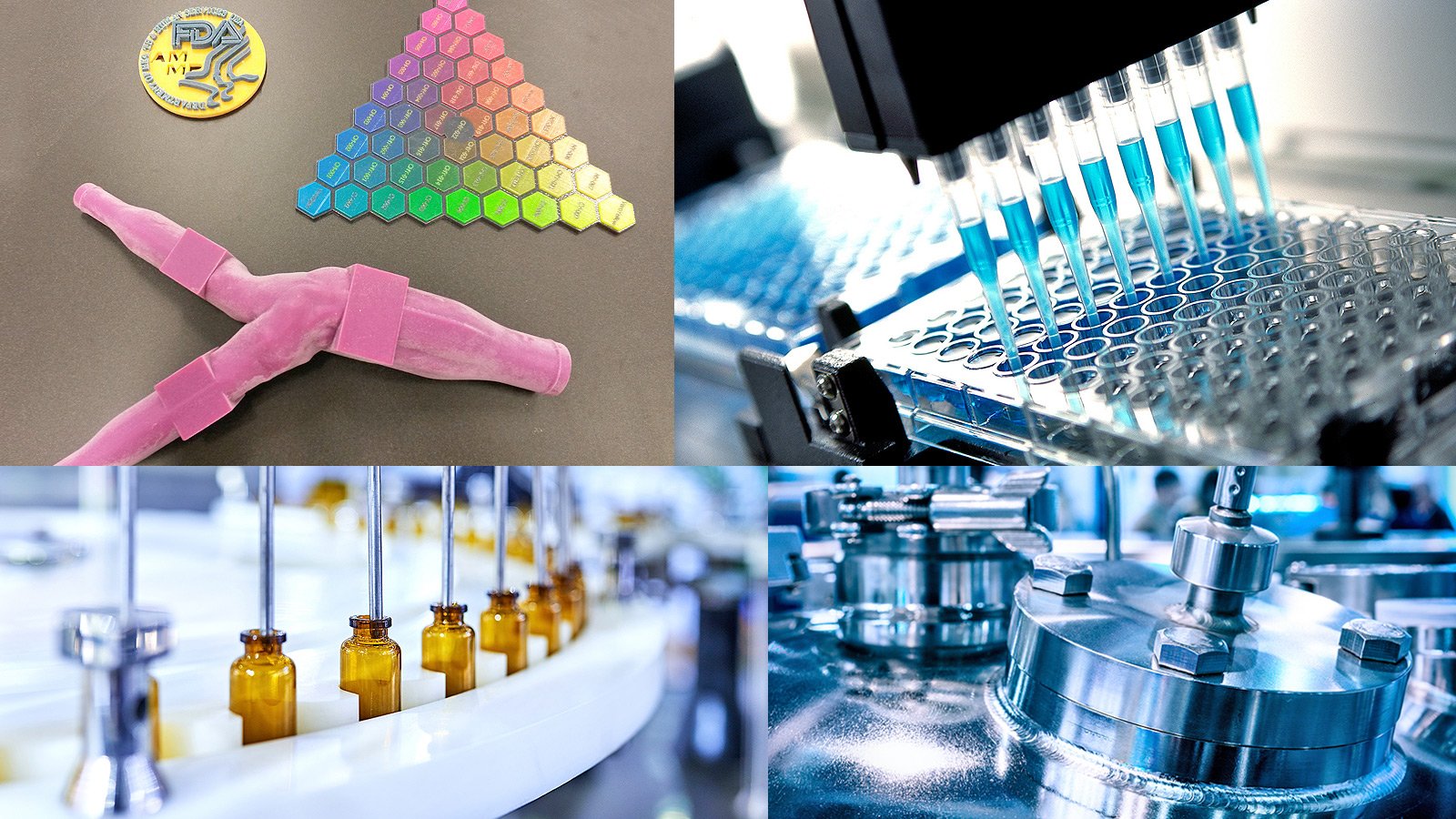
The U.S. Food and Drug Administration has unveiled The US FDA rolls out a program aimed at expanding local pharmaceutical manufacturing, marking a significant step toward strengthening the country’s drug supply chain. On Sunday, the agency announced it has started accepting applications for its newly introduced PreCheck pilot program, which is designed to accelerate the construction and regulatory review of pharmaceutical manufacturing facilities within the United States.
Focus on Strengthening Domestic Drug Supply
The PreCheck pilot program will initially select a limited number of new pharmaceutical manufacturing facilities for participation. According to the FDA, these facilities will be evaluated based on how closely they align with national priorities. Key factors include the importance of the drug products being manufactured, the speed at which these medicines can reach the U.S. market, and the use of advanced or innovative methods in building and operating manufacturing facilities.
The agency also highlighted that facilities dedicated to producing essential or high-demand medications for American patients will receive additional consideration during the selection process. This focus reflects growing concerns about drug shortages and reliance on overseas production.
Streamlined Two-Phase Approval Process
The newly introduced program follows a two-phase approach designed to simplify and accelerate facility development. In the first phase, participating manufacturers will benefit from more frequent communication with the FDA. This engagement will support companies through various stages, including facility design, construction planning, and preparation for production.
The second phase is structured to offer early consultations and pre-application meetings. These interactions are intended to help developers refine manufacturing and quality control systems, ultimately reducing delays and ensuring compliance with regulatory standards.
Part of Broader Government Efforts
The initiative supports broader federal efforts to shift pharmaceutical manufacturing back to the United States. The PreCheck program was initially announced in August and aligns with an executive order issued in May by President Donald Trump, which emphasized strengthening domestic drug production and reducing dependence on foreign supply chains.
In addition to this program, the FDA introduced another initiative in June aimed at encouraging drug developers to support national priorities, including local manufacturing. This separate effort offers faster review timelines for marketing applications submitted by qualifying companies.
Fast-Track Program Faces Challenges
Under the FDA Commissioner’s National Priority Voucher Program, certain drugs considered critical to public health or national security are eligible for significantly faster approval decisions—potentially within one to two months. This accelerated timeline could shorten traditional priority review processes by up to six months.
However, the fast-track initiative has encountered setbacks. Reports based on internal documents revealed that FDA scientists raised safety and effectiveness concerns about two drugs included in the expedited program, leading to delays in their review. One of the flagged cases involved a patient death linked to one of the medications under evaluation.
Additionally, two other drugs participating in the accelerated review process have experienced delays extending several weeks beyond their initial target timelines. Documents indicate that at least seven drugs have entered the program so far, though progress has varied among them.
A Strategic Move for Long-Term Supply Security
Overall, The US FDA rolls out a program aimed at expanding local pharmaceutical manufacturing represents a strategic attempt to secure a more reliable and resilient drug supply for American patients. By reducing regulatory bottlenecks and promoting early collaboration with manufacturers, the FDA aims to encourage innovation while ensuring safety and quality remain top priorities.
