

Activist groups aligned with U.S. Health Secretary Robert F. Kennedy Jr. are intensifying efforts to eliminate vaccine mandates across multiple states, aiming to expand on legislative momentum gained in Idaho. According to individuals involved in the campaign, the groups hope to push similar laws in up to a dozen states this year, marking a major escalation in their advocacy.
This movement is gaining traction alongside broader political support. Vaccine skepticism has grown more visible under President Donald Trump, who has publicly supported the Kennedy-backed “Make America Healthy Again” (MAHA) initiative. Advocates see the shifting political climate as an opportunity to reshape vaccination policies at both federal and state levels.
Reshaping Federal Vaccine Oversight
Kennedy, who has long been known for his opposition to vaccine mandates, significantly restructured the federal government’s vaccine advisory committee last year. He replaced several independent experts with appointees who share similar perspectives and support MAHA priorities. These changes have influenced updates to childhood vaccination recommendations issued by the U.S. Centers for Disease Control and Prevention, which historically guided state requirements for school immunizations.
To accelerate their goals, several MAHA-aligned organizations formed the Medical Freedom Act Coalition in January. The alliance, which includes 14 groups, is dedicated to challenging vaccine mandates that they argue infringe on personal liberties. Coalition leaders maintain that vaccination decisions should remain in the hands of families rather than government authorities. However, public health professionals continue to emphasize that vaccine mandates have historically played a critical role in preventing disease outbreaks and safeguarding community health.
Idaho Law Sparks Nationwide Strategy
The passage of Idaho’s groundbreaking vaccine mandate ban last year has become a central inspiration for activists. Leslie Manookian, founder of the Health Freedom Defense Fund and author of the Idaho legislation, described the law as a turning point that encouraged broader national efforts.
Manookian credited Kennedy’s leadership and his alignment with the Trump administration for strengthening public support for the MAHA agenda. She highlighted her long-standing collaboration with Kennedy, noting that their shared advocacy efforts span more than a decade. Federal health officials have expressed cautious support for state-level initiatives that emphasize parental choice in healthcare decisions.
Concerns Over Declining Vaccination Rates
Despite the push to reduce mandates, medical experts warn that loosening vaccination requirements could undermine efforts to maintain herd immunity. Many states already allow religious or personal exemptions, with such provisions now permitted in 46 states and Washington, D.C.
Health officials caution that further reductions in vaccination coverage could increase the risk of outbreaks of preventable diseases. Experts estimate that approximately 95% vaccination coverage is necessary to sustain herd immunity for highly contagious illnesses such as measles. Recent data suggests vaccination rates have declined in the United States, contributing to renewed outbreaks, including a significant measles surge in South Carolina that has affected hundreds of individuals.
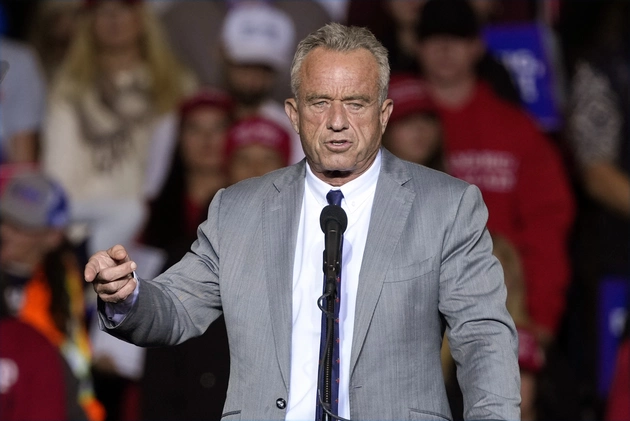
State-Level Legislative Battles Intensify
Legislative proposals targeting vaccine mandates have surfaced in several states, including Indiana, Oklahoma, Arizona, New York, New Hampshire, and Hawaii. While Indiana’s bill stalled during the legislative session, debates continue elsewhere. In Florida, officials have proposed expanding exemptions to school vaccine requirements while maintaining attendance rules.
Advocacy leaders argue that state governments play a crucial role in shaping vaccination policies. Supporters of the MAHA initiative believe that achieving policy changes at the state level is essential to transforming national healthcare standards. Since the enactment of Idaho’s Medical Freedom Act, state health agencies there have encouraged educational institutions to align their vaccine policies with the new law.
Network of Allied Organizations Expands
The coalition behind the movement includes several groups with longstanding connections to Kennedy. Among them is Children’s Health Defense, an organization Kennedy previously led, as well as the MAHA Institute and MAHA Action, which have supported his political and advocacy campaigns. Additional organizations, including Moms Across America and the Independent Medical Alliance, have also joined the initiative, further strengthening its nationwide influence.
Leaders of Stand for Health Freedom, another coalition member with affiliates in dozens of states, say there is growing support for similar legislation across the country. Representatives from the organization have participated in federal health events and held discussions with government officials to promote their policy goals.
As Following Kennedy’s victory, MAHA groups set their sights on state-level vaccine laws, the debate over vaccine mandates continues to intensify. The outcome of these legislative efforts could significantly shape public health policy, balancing individual choice against long-standing strategies designed to control infectious diseases.
