
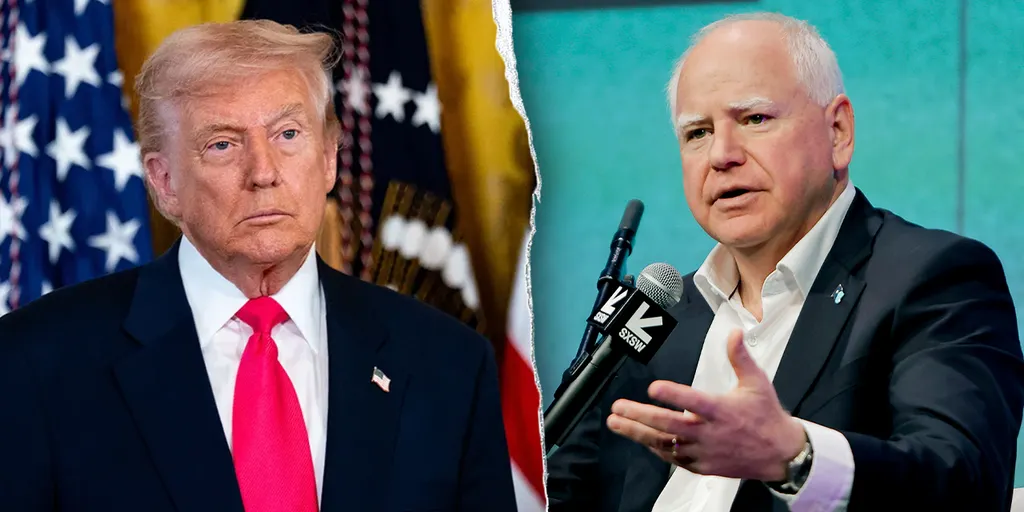
President Donald Trump said he had a “very good” phone conversation on January 26 with Minnesota Governor Tim Walz, signaling rare agreement as tensions rise in Minneapolis following recent federal immigration enforcement actions. According to Trump, the two leaders found themselves on a “similar wavelength,” a moment that underscored how Trump claims alignment with Minnesota Governor Tim Walz on key issues despite their political differences.
The call came two days after the fatal shooting of 37-year-old Alex Pretti, who was killed by Customs and Border Protection officers during an operation in Minneapolis on January 24. The incident is now under investigation by Homeland Security Investigations and the FBI, along with an internal review by CBP.
Homeland Security Secretary Kristi Noem stated that Pretti was shot after allegedly brandishing a firearm. However, critics and community advocates have challenged that account, describing the killing as unjustified and calling for full transparency.
The shooting has further inflamed tensions because it followed another deadly encounter in the city only weeks earlier. In that case, Immigration and Customs Enforcement officers killed Renee Good after she was accused of trying to run over an agent with her vehicle. Together, the two incidents have fueled public anger and renewed scrutiny of federal enforcement tactics in Minnesota.
Following his call with Walz, Trump announced on Truth Social that White House border czar Tom Homan would travel to Minnesota and stay in close contact with the governor. In a separate message, Trump said Homan would report directly to him. The president also indicated that he and Walz expect to speak again soon.
Walz’s office characterized the discussion as “productive,” saying the governor emphasized the need for impartial investigations into the Minneapolis shootings involving federal agents. Walz also argued that Minnesota would benefit from a reduced federal law enforcement presence to help calm tensions and restore trust.
Trump also said he spoke with Minneapolis Mayor Jacob Frey, describing their exchange as another “very good” conversation. According to the president, Homan is expected to meet with Frey as well.
A day earlier, Trump had publicly urged Walz, Frey, and Democratic governors and mayors across the country to take stronger steps in support of federal immigration enforcement. His proposals included transferring what he called “criminal illegal aliens” from state prisons and local jails into federal custody for swift deportation, as well as turning over undocumented immigrants arrested by local police.
Trump further called for closer cooperation between local and federal law enforcement to arrest and detain immigrants wanted for crimes, pressing Democratic leaders to work with his administration to speed up removals.
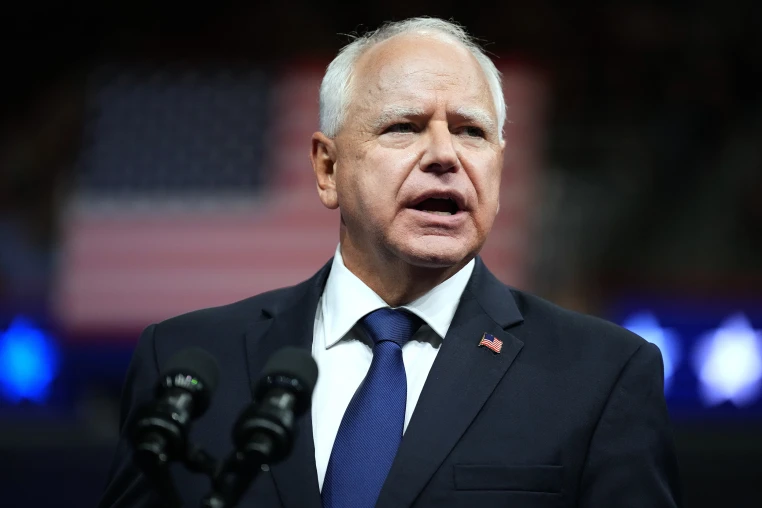
At the White House press briefing on January 26, press secretary Karoline Leavitt stressed that the administration does not want to see further loss of life.
“Nobody in the White House, including President Trump, wants to see people getting hurt or killed in America’s streets,” Leavitt said, noting that this concern extends to victims like Renee Good and Alex Pretti, as well as federal officers and communities affected by violent crime.
Leavitt said she was unaware of any agreement by Trump to release body camera footage from the officers involved in Pretti’s shooting. She added that the administration is in discussions with Congress about potentially requiring federal agents to wear body cameras in the future.
She also warned against allowing the controversy to derail broader government funding efforts. Leavitt reiterated White House support for a bipartisan appropriations package currently before Congress and urged lawmakers not to let immigration disputes trigger a shutdown.
“We absolutely do not want to see that funding lapse,” she said, pointing to critical programs such as FEMA assistance for communities still recovering from a severe winter storm, which could be disrupted if lawmakers fail to reach an agreement.
