
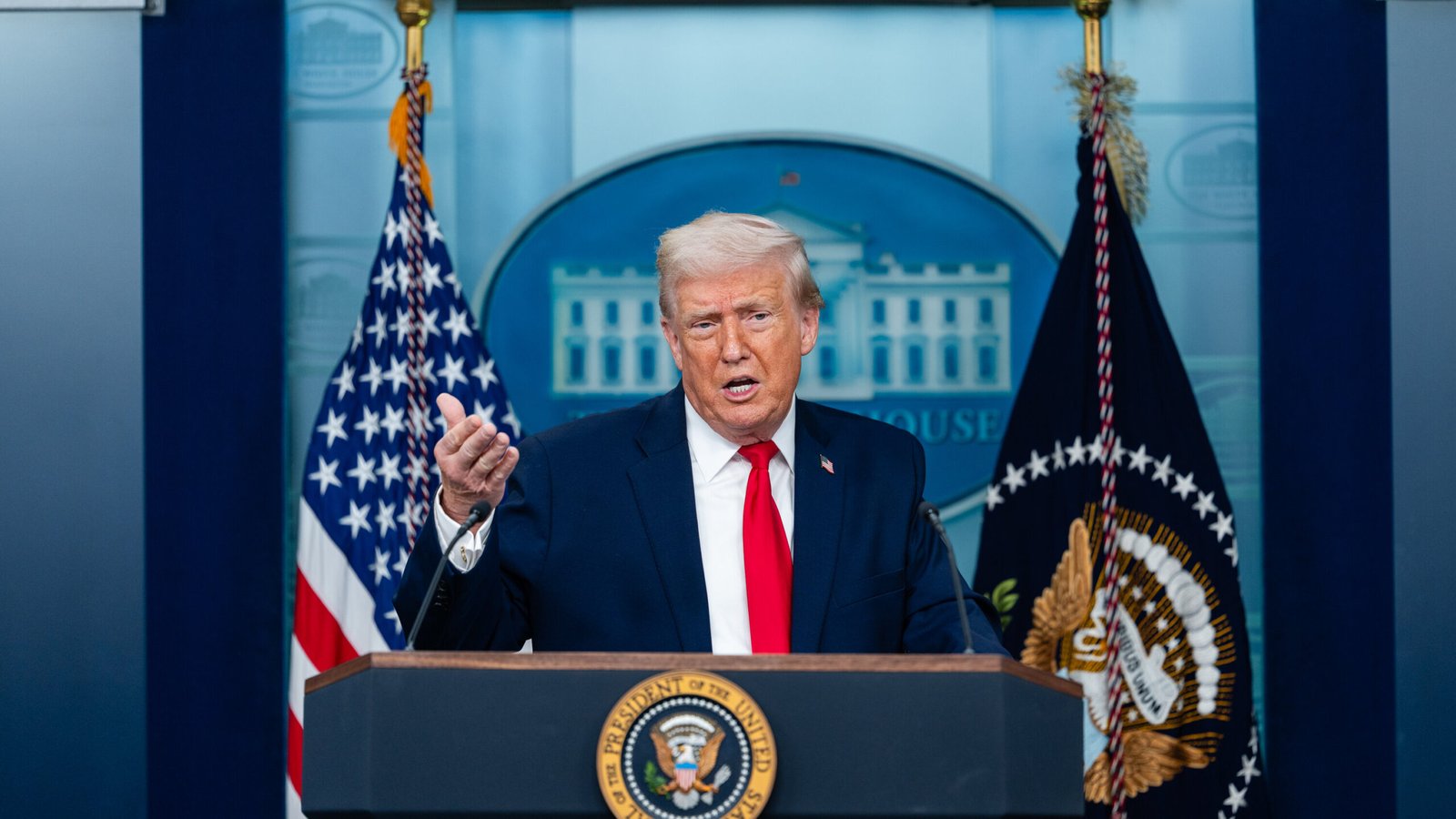
On January 26, President Donald Trump revealed that the United States will raise tariff rates on South Korean imports from 15 percent to 25 percent. This decision comes amid frustrations over South Korea’s failure to approve a key trade agreement with the U.S.
In a statement posted on Truth Social, Trump criticized the South Korean legislature for not fulfilling its part of the deal. He wrote, “Because the Korean Legislature hasn’t enacted our Historic Trade Agreement … I am hereby increasing South Korean TARIFFS on Autos, Lumber, Pharma, and all other Reciprocal TARIFFS, from 15 percent to 25 percent.”
The trade deal in question was negotiated in October 2025 following a meeting between Trump and South Korean President Lee Jae Myung in Gyeongju, South Korea. According to the agreement, U.S. tariffs on South Korean goods were set at 15 percent, while South Korea committed to investing $350 billion in the U.S., including a $150 billion investment in shipbuilding.
At the time, the White House highlighted South Korea’s pledges to invest billions in American companies. This included a $36.2 billion purchase of Boeing aircraft and $13.7 billion worth of GE Aerospace engines by Korean Air.
Trump expressed his disappointment with South Korea’s legislative delay, writing, “South Korea’s Legislature is not living up to its Deal with the United States. President Lee and I reached a Great Deal for both Countries on July 30, 2025, and we reaffirmed these terms while I was in Korea on October 29, 2025. Why hasn’t the Korean Legislature approved it?”
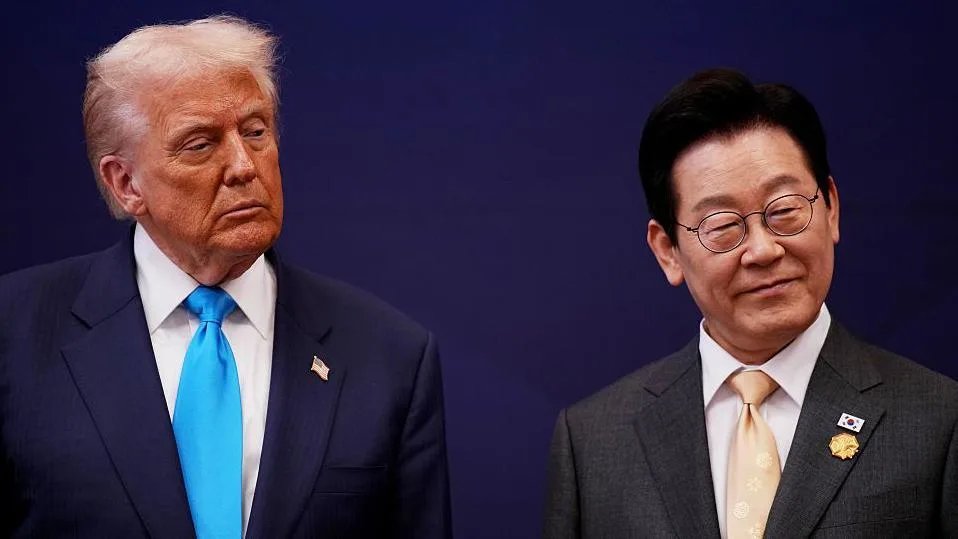
South Korean lawmakers have indicated they need more time to assess the economic impact of the agreement. Even before the deal was finalized, some South Korean officials were skeptical about the country’s ability to meet the $350 billion investment target.
Those concerns remain. Earlier this month, South Korea’s finance minister stated the country likely won’t begin the promised investments in the first half of 2026 due to ongoing weakness in the won currency. The won has been under pressure amid a trade slump reminiscent of the 2008 global financial crisis, complicating the prospect of large capital outflows to the U.S.
Last year, both governments agreed that South Korea would channel $200 billion in cash investments in phases, capped at $20 billion annually, to help stabilize the won as part of the broader $350 billion commitment to U.S. strategic sectors.
