
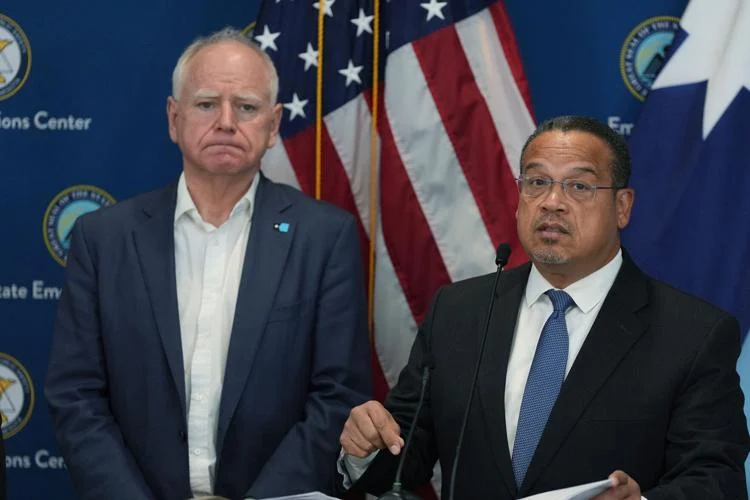
Minneapolis Mayor Jacob Frey said he expects a reduction in the federal law enforcement presence in the city beginning Jan. 27, following a phone call with President Donald Trump. The discussion came amid rising tensions over immigration enforcement and recent deadly incidents involving federal officers.
In a post on X, Frey said he emphasized the importance of Minneapolis’s immigrant communities and made it clear that his primary request was for Operation Metro Surge to come to an end. According to the mayor, the president acknowledged that the current situation in the city is unsustainable and agreed that changes are necessary.
President Trump later confirmed the conversation, describing it as “very good” and saying that meaningful progress had been made. He also announced that border czar Tom Homan would travel to Minneapolis to continue talks with city leadership. Trump said Homan was scheduled to meet with Frey to further address the concerns surrounding federal enforcement operations.
Despite the expected pullback, Frey said he would continue pressing for the complete withdrawal of federal agents from Minneapolis. He stressed that while the city will cooperate with state and federal authorities on legitimate criminal investigations, it will not assist with what he described as unconstitutional arrests or the enforcement of federal immigration law at the local level.
Trump also spoke earlier with Minnesota Gov. Tim Walz, noting afterward that the two leaders were largely aligned in their views on the unrest unfolding in Minneapolis. Those conversations followed the fatal shooting of Alex Pretti, a 37-year-old nurse who was killed on Jan. 24 during a protest against immigration enforcement. In a separate incident weeks earlier, Renee Good was killed after an Immigration and Customs Enforcement officer fired into her vehicle, an encounter that the Department of Homeland Security said occurred after the officer was struck by the car.
Gov. Walz said his call with Trump was productive and emphasized the need for impartial investigations into the shootings involving federal agents. He also told the president that reducing the number of federal officers operating in Minnesota was necessary to ease tensions. Both Walz and Frey have publicly encouraged protests against immigration operations in the state, at times using strong language to demand that federal agents leave.
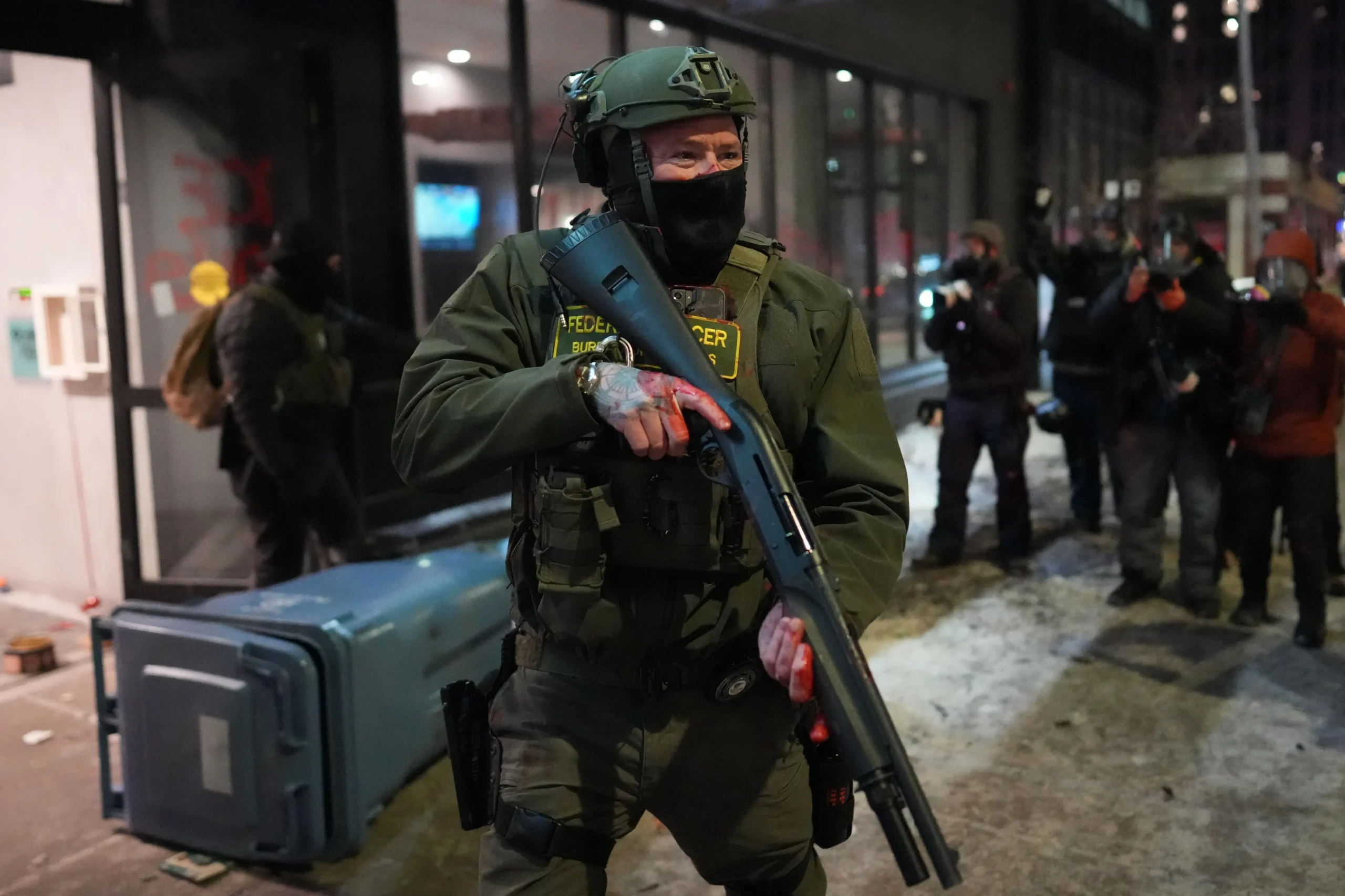
According to White House press secretary Karoline Leavitt, Trump outlined a three-part proposal during his conversation with Walz. The plan would require Minnesota leaders to transfer all criminal illegal immigrants currently held in state prisons and local jails to federal custody. Individuals with active warrants or known criminal histories would face immediate deportation.
The proposal also calls on state and local law enforcement agencies to hand over illegal immigrants arrested by local police and to assist federal authorities in locating and detaining those wanted for crimes, particularly violent offenses.
Leavitt said the shooting of Pretti is under investigation by both DHS and the FBI, with DHS also conducting an internal review. Walz added that Trump agreed to speak with DHS about ensuring the Minnesota Bureau of Criminal Apprehension can carry out an independent investigation into the incident.
As city and state leaders continue discussions with the White House, Frey reiterated that Minneapolis will seek a path forward that prioritizes public safety while protecting the rights of its residents—signaling that, for now, Minneapolis Mayor Says Some Federal Agents Are Set to Depart the City is more than just a headline, but a potential turning point in the ongoing standoff.
